★★★★★
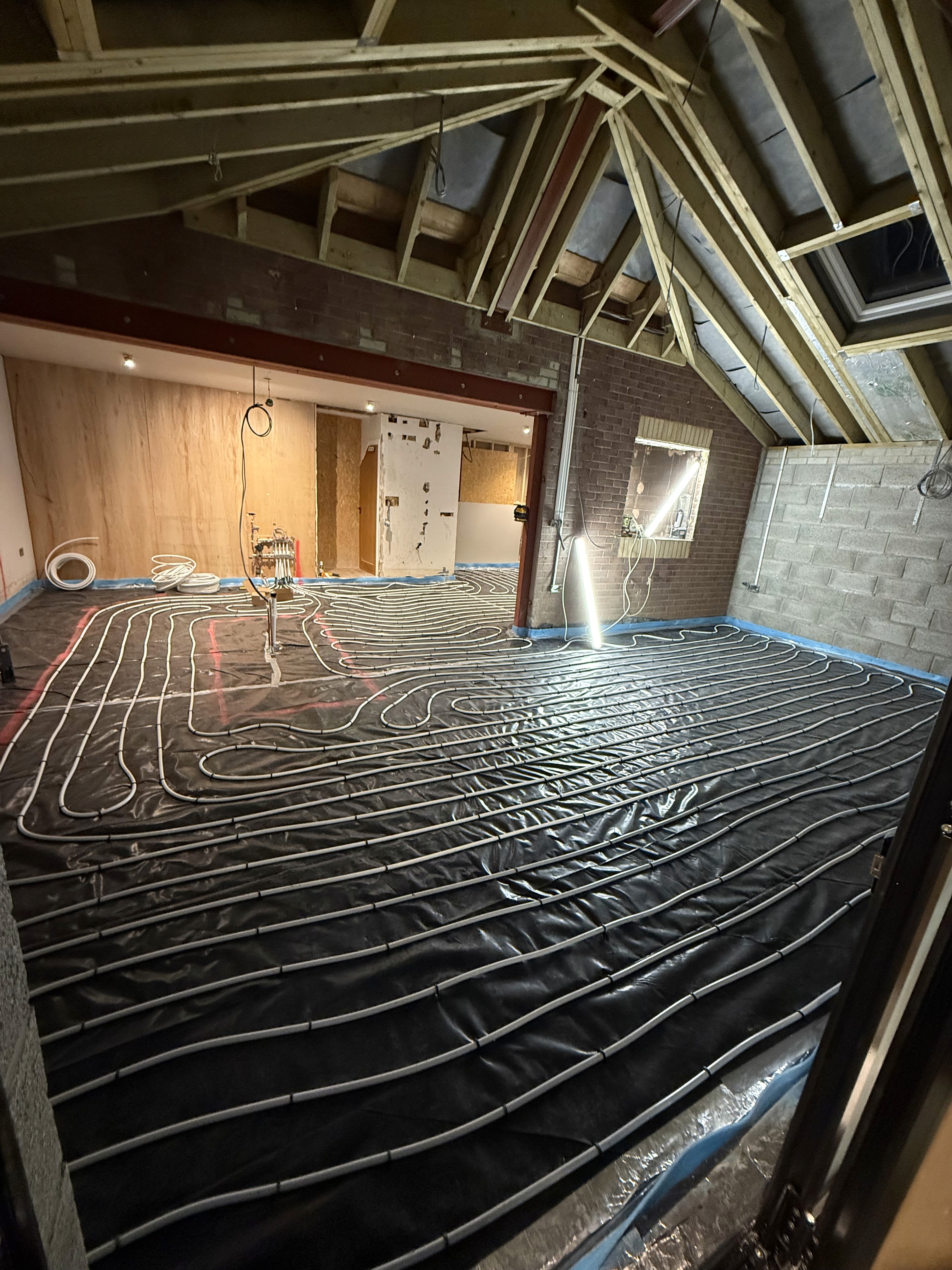
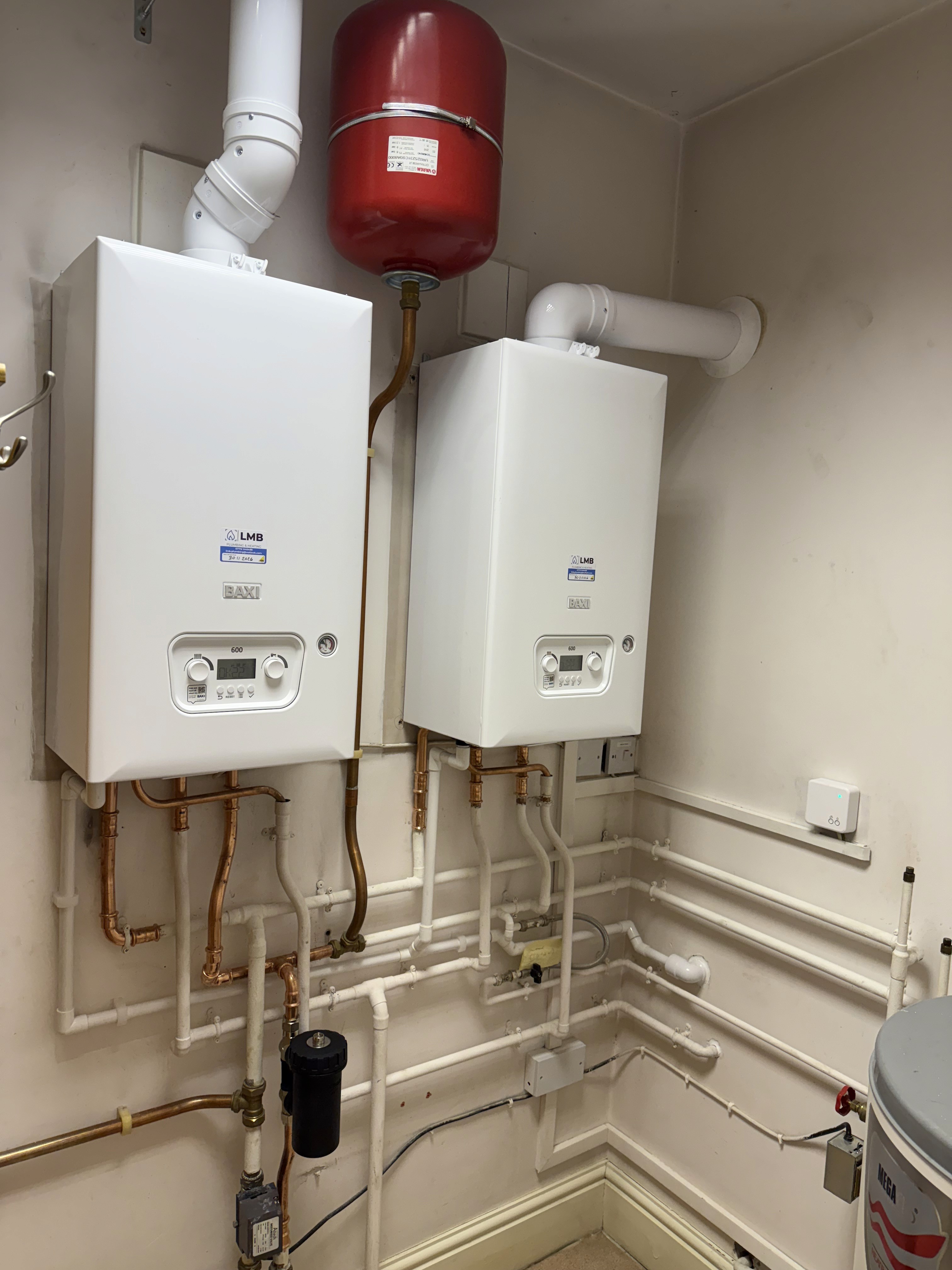
An outstanding Gas Engineer and a fine individual. I cannot recommend LMB Plumbing & Heating highly enough. He installed a new Gas Boiler and overhauled our 25 year old Central Heating system for a good price.
LMB REPLIED
Thank you, David — we’re delighted to hear you had such a positive experience. We're glad the new gas boiler installation and overhaul of your…
★★★★★
I can’t recommend Lloyd highly enough. From the initial Contact right through to completion of the job , his customer service was outstanding. Lloyd arrived exactly on time, was polite , friendly and professional throughout. The quality of his workmanship was excellent and he clearly takes great…
LMB REPLIED
Thank you so much, Lee, for your fantastic review and for recommending Lloyd. We’re delighted he arrived on time, was professional and friendly, and…
★★★★★
Excellent. Lloyd provided an excellent service - good communication, timely arrival, left the work area clean and did the work efficiently
LMB REPLIED
Thank you Dafydd
★★★★★
LMB responded the same day to repair a gas problem I had. Other companies I contacted were unhelpful, and most of them actually declined the work. LMB were positive & engaging from the start, fixed the problem and charged a fair price. Highly recommended, ask for Lloyd.
LMB REPLIED
Appreciate the feedback Nigel, pleasure to do work for.
★★★★★
LMB plumbing & Heating have been fantastic since first conversation / quote to boiler install. From boiler install we had him come back to fit our shower room and the standard and service is second to none. If I could give more stars I would. Class from the lads at LMB plumbing & Heating
LMB REPLIED
Thankyou Scott, pleasure fitting the boiler and heating system for you!
★★★★★
I have had these gentlemen come to my property on two separate occasions. Very prompt, very polite and got the job done. I even contacted them late on Sunday evening and they politely arranged for a next day appointment, came and solved the problem. Will always use and recommend!
LMB REPLIED
Thank you so much for your wonderful review, Samantha. We're thrilled our team was prompt, polite, and able to resolve your issue quickly on short…
★★★★★
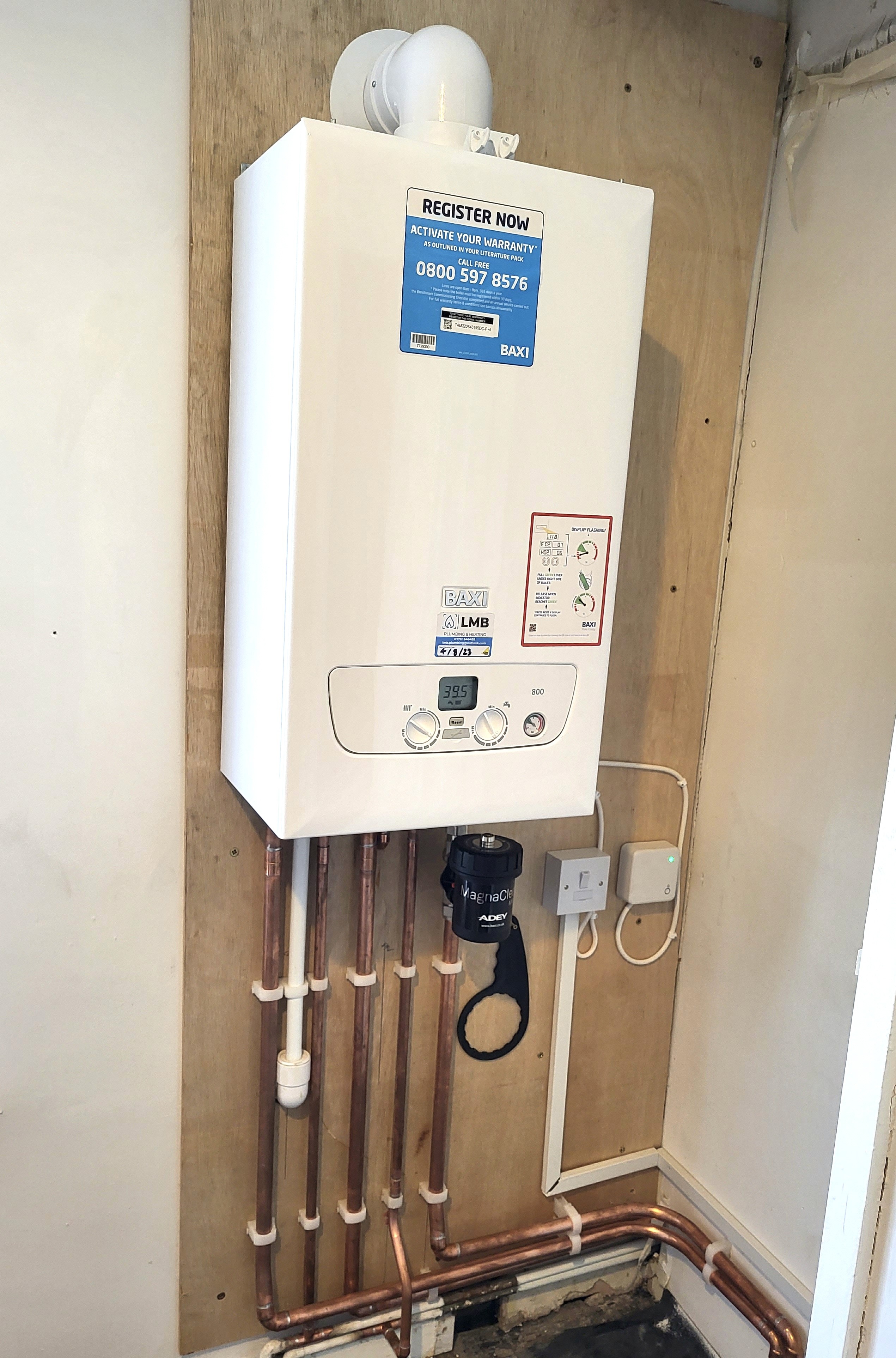
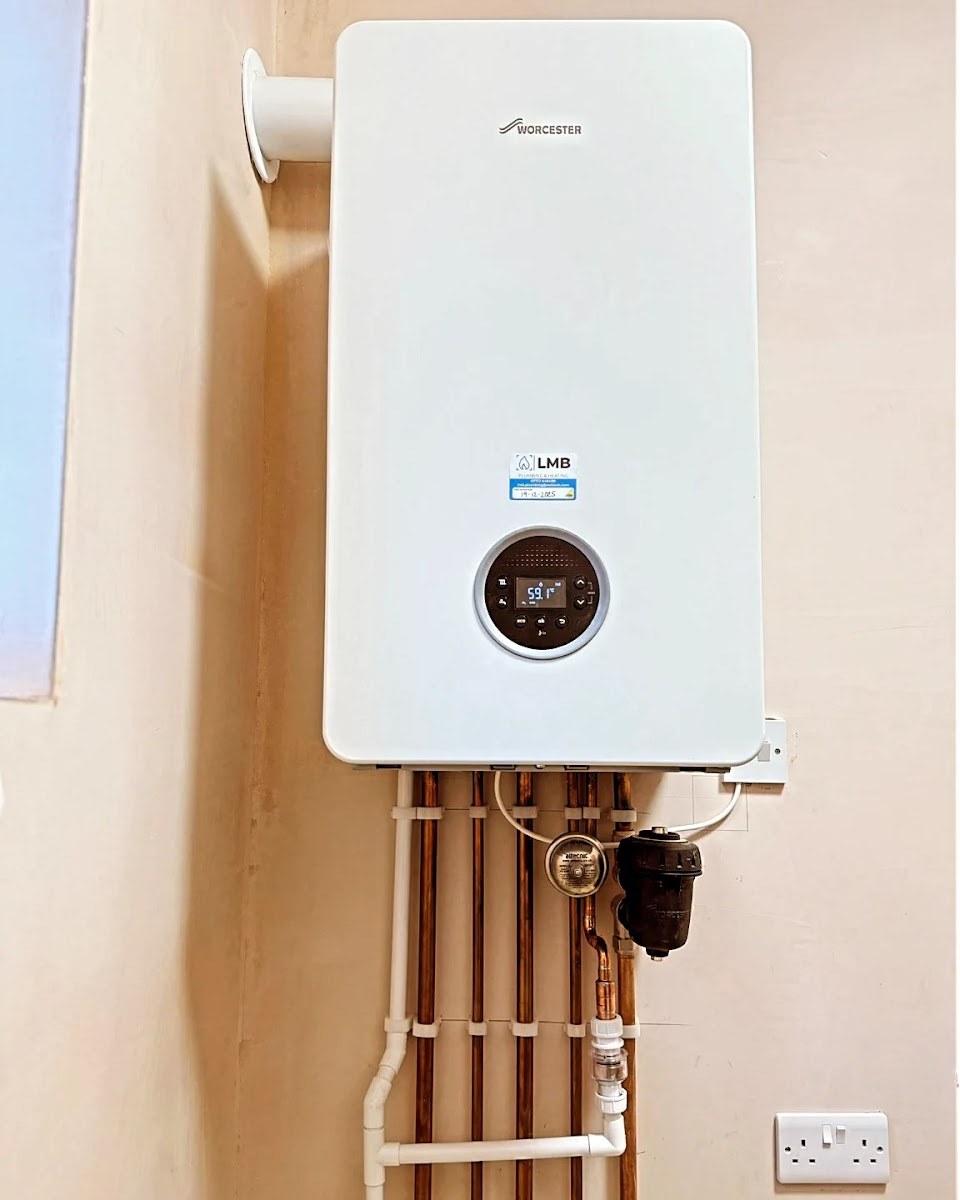
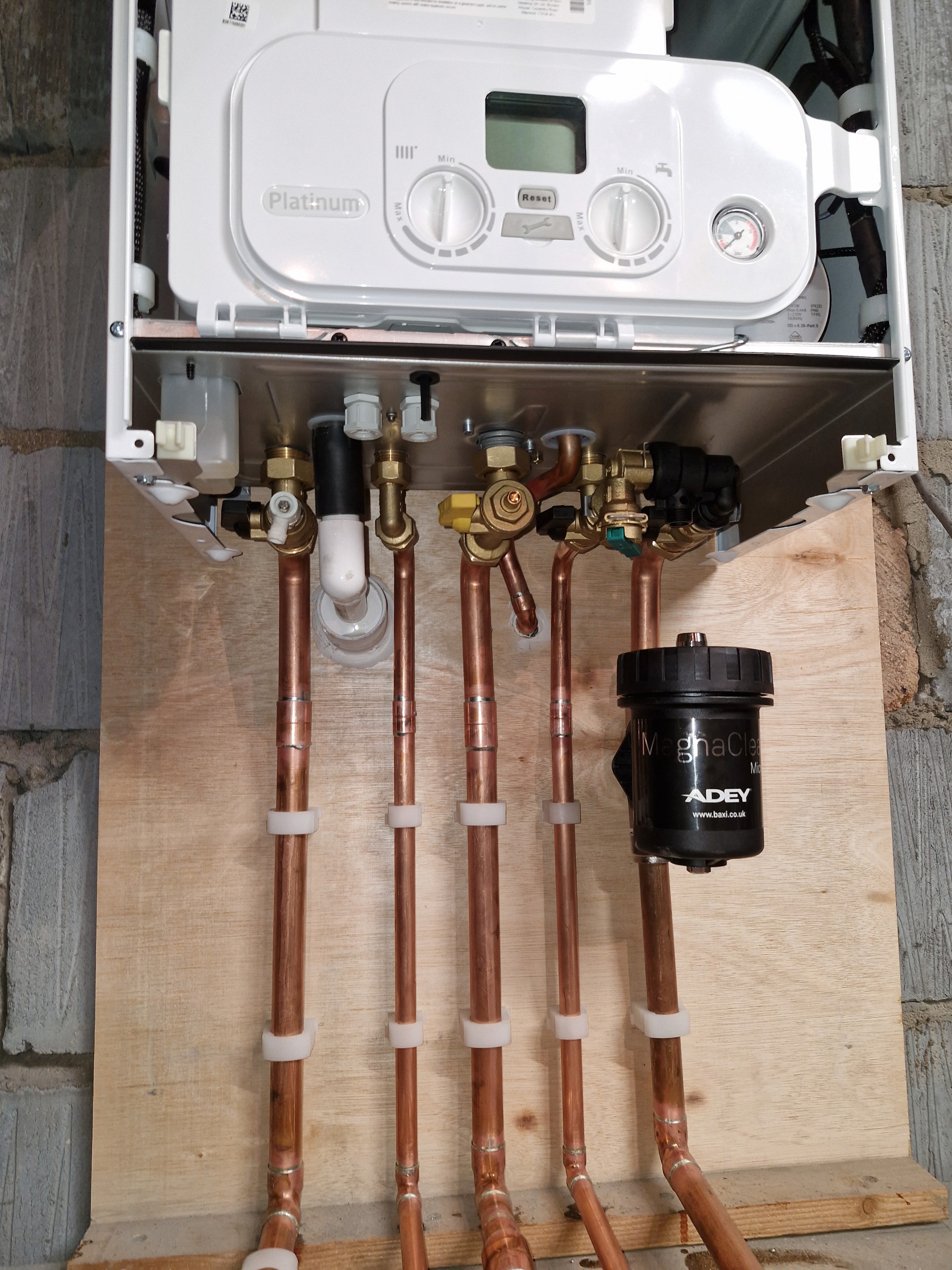
Lloyd recently fitted our new boiler. It has been fitted to a very high standard and he took care of the house when working. Polite and punctual.
LMB REPLIED
Thank you, Craig, for the excellent review. We're delighted Lloyd fitted your new boiler to such a high standard and took good care of your home. We…
★★★★★
Lloyd came out and quoted a job for us, to change our bath, sink, & toilet. He has been brilliant from start to finish I’m so glad my mum recommended him. He was incredibly professional and nothing was too much trouble. Will most certainly have him back to do future work and will 100% recommend him…
LMB REPLIED
Thank you so much, Rachel, for the wonderful review and for recommending us to your mum. I’m delighted the bathroom, sink, and toilet work met your…
★★★★★
An outstanding Gas Engineer and a fine individual. I cannot recommend LMB Plumbing & Heating highly enough. He installed a new Gas Boiler and overhauled our 25 year old Central Heating system for a good price.
LMB REPLIED
Thank you, David — we’re delighted to hear you had such a positive experience. We're glad the new gas boiler installation and overhaul of your…
★★★★★
I can’t recommend Lloyd highly enough. From the initial Contact right through to completion of the job , his customer service was outstanding. Lloyd arrived exactly on time, was polite , friendly and professional throughout. The quality of his workmanship was excellent and he clearly takes great…
LMB REPLIED
Thank you so much, Lee, for your fantastic review and for recommending Lloyd. We’re delighted he arrived on time, was professional and friendly, and…
★★★★★
Excellent. Lloyd provided an excellent service - good communication, timely arrival, left the work area clean and did the work efficiently
LMB REPLIED
Thank you Dafydd
★★★★★
LMB responded the same day to repair a gas problem I had. Other companies I contacted were unhelpful, and most of them actually declined the work. LMB were positive & engaging from the start, fixed the problem and charged a fair price. Highly recommended, ask for Lloyd.
LMB REPLIED
Appreciate the feedback Nigel, pleasure to do work for.
★★★★★
LMB plumbing & Heating have been fantastic since first conversation / quote to boiler install. From boiler install we had him come back to fit our shower room and the standard and service is second to none. If I could give more stars I would. Class from the lads at LMB plumbing & Heating
LMB REPLIED
Thankyou Scott, pleasure fitting the boiler and heating system for you!
★★★★★
I have had these gentlemen come to my property on two separate occasions. Very prompt, very polite and got the job done. I even contacted them late on Sunday evening and they politely arranged for a next day appointment, came and solved the problem. Will always use and recommend!
LMB REPLIED
Thank you so much for your wonderful review, Samantha. We're thrilled our team was prompt, polite, and able to resolve your issue quickly on short…
★★★★★
Lloyd recently fitted our new boiler. It has been fitted to a very high standard and he took care of the house when working. Polite and punctual.
LMB REPLIED
Thank you, Craig, for the excellent review. We're delighted Lloyd fitted your new boiler to such a high standard and took good care of your home. We…
★★★★★
Lloyd came out and quoted a job for us, to change our bath, sink, & toilet. He has been brilliant from start to finish I’m so glad my mum recommended him. He was incredibly professional and nothing was too much trouble. Will most certainly have him back to do future work and will 100% recommend him…
LMB REPLIED
Thank you so much, Rachel, for the wonderful review and for recommending us to your mum. I’m delighted the bathroom, sink, and toilet work met your…